Sitting in front of me, right next to my keyboard and a "Happy Secretary's Day" commemorative coffee mug, is a nice little copper colored bullet. I'm not sure what caliber it is as I have limited experience with small arms (and very little experience with any real guns to be honest), but as far as I can tell it is probably the spent shell of a .38. This bullet was given to me on Wednesday by a woman I work with. It was found in the desert outside of Naco, Sonora where it was embedded in the plastic of one of the water tanks used by Agua Para la Vida. Apparently another tank had been shot as well, but that was done with a shotgun and so no bullets were recovered. I have been told that the tanks we sent to replace the ones that were shot have had their taps stolen, rendering them useless.
Agua Para la Vida is an organization very close to my heart. I spend at least one solid day a week out in the desert with the water truck making sure that our tanks don't go dry. Agua Para la Vida is a good thing. It is a coalition of groups including Frontera de Cristo (where I work), CRREDA (a Mexican drug and alcohol rehabilitation center), No More Deaths ( an umbrella organization combatting deaths on the U.S./Mexican border), and Healing Our Borders (a local NGO), among others. The idea behind Agua Para la Vida is pretty simple. Basically, over the past several years, hundreds of people here in Cochise County, and thousands of people nationally, have died in the deserts as they were attempting to cross into the United States without documentation. These people have died, and continue to die, of both exhaustion and hypothermia, but primarily they have been dying of dehydration.
Agua Para la Vida, literally Water for Life, tries to address this problem by leaving tanks of water out in the desert outside of the Mexican towns of Agua Prieta and Naco. The goal of Agua Para la Vida is to have water available to migrants who are thinking about crosssing so that they do not suffer from dehydration, or to migrants who have become lost and are in need of water. While there is a legitimate argument to be made that we aid in illegal immigration, our goal is strictly to prevent further deaths. I'm not talking about dangerous criminals here, I'm talking about men, women, and children.
We put out the tanks and fill them with water to stop people from dying. Someone shot two of those tanks. Should I read these actions as support by the shooter(s) for people dying in the desert? Despite the title of the post, I am not going to accuse anyone of doing this. I have my suspicions, but nothing even close to something resembling proof. Plus, let's face it, there are a lot of people wandering around out there in the desert with guns. I will say this, however: the two tanks that were shot are the only tanks that we have which are easily visible from the United States, and are in fact only about twenty or thirty feet away from the border.
Isn't it usually considered war when one country shoots at another one?
Friday, November 03, 2006


Friday Picture/Meghan/Puppy Blogging
Umm, these pictures aren't really going to help you understand my life that much better, but they sure are cute.
This is Estrella, Mark and Miriam's puppy. I love her.

This is Meghan, my fellow intern and partner in crime. She is neat.

This is a totally appropriate bumper sticker that I saw the other day. I am in fact reading Pride and Prejudice RIGHT NOW. Yeah, the hair's a little out of control.

This is Estrella, Mark and Miriam's puppy. I love her.

This is Meghan, my fellow intern and partner in crime. She is neat.

This is a totally appropriate bumper sticker that I saw the other day. I am in fact reading Pride and Prejudice RIGHT NOW. Yeah, the hair's a little out of control.

Tuesday, October 31, 2006
Three posts in one day? This is sooo worth it.
 I am in love.
Dear family, if you are considering getting me a Christmas present, this one would be a good bet.
I have some of these songs already, but not nearly all of them, and not in such spectacular packaging.
Link to buy: http://www.asthmatickitty.com/music.php?releaseID=63
Shameless? Perhaps. Effective? God I hope so.
For the rest of you, head over to that link as well to stream those songs. Sufjan and Christmas are such wonderful bedfellows.
Seriously, what are the chances of this?
My dear sponsee Cathy, who I have a deep love for, informed me via the miracle that is the facebook that I have something of a doppleganger here on the old world-wide-web.
Apparently if you visit http://www.throughtincansandstring.blogpsot.com you get quite a different little website than the one you find here.
This is the actual description of the site:
"A mega-site of Bible, Christian and religious information and studies; including, audio and written KJV Bible, churches, doctrine, links, news, prayer, prophecy, sermons, spiritual warfare, statistics & tracts. Features Chronological 4 Gospels, Prayer Book, Prophecy Bible, and a photo
tour of Israel. By God's mercy, one of the largest Bible-centered sites on the web (app. 6000 pgs). If it's in the Bible, it should be on this site."
Now, based on the fact that I am a bit of a self-proclaimed Godbag already (read a few posts below) and the fact that the difference between this link and my own is the change of blogspot to blogpsot, I have a feeling that there is some sort of tomfoolery at work here. I promise a full investigation. If I have the time. Maybe.
Oh hell, I'll probably just laugh about it some more.
Apparently if you visit http://www.throughtincansandstring.blogpsot.com you get quite a different little website than the one you find here.
This is the actual description of the site:
"A mega-site of Bible, Christian and religious information and studies; including, audio and written KJV Bible, churches, doctrine, links, news, prayer, prophecy, sermons, spiritual warfare, statistics & tracts. Features Chronological 4 Gospels, Prayer Book, Prophecy Bible, and a photo
tour of Israel. By God's mercy, one of the largest Bible-centered sites on the web (app. 6000 pgs). If it's in the Bible, it should be on this site."
Now, based on the fact that I am a bit of a self-proclaimed Godbag already (read a few posts below) and the fact that the difference between this link and my own is the change of blogspot to blogpsot, I have a feeling that there is some sort of tomfoolery at work here. I promise a full investigation. If I have the time. Maybe.
Oh hell, I'll probably just laugh about it some more.
That's My Representative!
Via Jim Marshall over at Talking Points Memo I bring you this incredible clip of my very own Representative Marilyn Musgrave.
I didn't actually get the chance to vote against her, as they sent my absentee ballot to the wrong place and my dad had to fill it out for me (shhh...I think that's against the law), but Bryce Perica, a true gentleman and scholar has promised to send some satisfaction my way when he votes against her. Thanks Bryce.
I didn't actually get the chance to vote against her, as they sent my absentee ballot to the wrong place and my dad had to fill it out for me (shhh...I think that's against the law), but Bryce Perica, a true gentleman and scholar has promised to send some satisfaction my way when he votes against her. Thanks Bryce.
Wednesday, October 25, 2006
Paz Sea
I've been having a pretty great week so far, which is a relief because last week was probably one of the most difficult since I have been here.
I spent what was a pretty relaxed weekend puttering around a book/record/organic clothing store in Bisbee, and taking a group of high school students from New Mexico out into the desert with a group of recovering drug addicts from Mexico. I would include both of these on my top 50 favorite things to do in life.
I also spent the weekend persistently harassed by various law enforcement agencies, which has become an increasingly large problem in my life. On an average day in college, where I rarely drove, or an average day in Longmont, where I drove quite often, my encounters with law enforcement were brief at best, often little more than a passing glimpse of a squad car, and a quick check to make sure I wasn't doing more than ten miles per hour over the limit. Here on the border guys with guns have become a fairly constant part of my everyday existence.
Here's a case study over the course of a weekend:
Thursday- Stopped in the desert by a patrol from the Mexican Army, complete with hummer and rifles.
Friday- Stopped by U.S. Customs and Immigration at the border for a check on my identification, citizenship, and criminal record.
Saturday- Stopped in the desert once more by the same Mexican Army patrol. Questioned more thoroughly about why we were there. Questioned by U.S. Customs and Officials at the border where my car was searched. Stopped by U.S. Border Patrol on the highway because my rear lights were not working. Asked about my citizenship.
Sunday- Stopped by U.S. Customs and Immigration at the border and questioned about my citizenship, residency, and status of my identification cards.
I suppose that a logical response to all of this law enforcement could be a feeling of overall safety and security. Outside of Baghdad this has got to be the most heavily patrolled U.S. territory in the world. The thing is, safety and security is not really the feeling that I get. Instead I find myself becoming increasingly paranoid, scared of these officials. I often feel like I am about to be arrested for something even though I have done nothing wrong.
To explain this I have to go back a little bit and say something about immigration and border policy. In order to combat the twin scourges of illegal immigration and illegal drug smuggling the U.S. government has granted a wide range of powers to a large number of law enforcement agencies. Border Patrol trucks are everywhere in Douglas, along with Customs trucks, Police cruisers, National Guard vehicles, and Cochise County Sherrif SUV's. The County Sherrif's officers are particularly intimidating because instead of shotguns they carry AK-47's. There are Blackhawk Helicopters. There are cameras. And believe it or not, they are watching.
The other day a friend crossed the border and gave his ID to the U.S. Customs and Border Official. "Mr. Bassett," he said, "Where do you work sir?" With Just Coffee, my friend replied. "I already knew that," the agent sneered, "Your name was included in a recent intelligence update." Seriously, I'm not making this stuff up.
For a while I have been comforting myself by saying that I have done nothing illegal here in the United States, that I am a citizen in good standing, and that if it comes down to it I have the money for a lawyer. I have told myself all of these things to keep the fear at bay. This is totally ridiculous. If I am this nervious/afraid/whatever of these officials, how afraid would I be if I wasn't so white/rich/educated/generally anti-authoritarian/working for people who would bail me out? Have we come to a point in America where the price of security is a state of fear?
I try to remind myself that I am not an American, I am a follower of Christ who happened to be born in America. I love some things about this country, and there are more than a few that I hate, but all of this masks a more profound and important truth in my life. I love the Gospel and everything that it stands for, and that's where my allegiance should be. This does not mean that I ignore the clear benefits I receive from citizenship, or somehow reduce my responsibility for seeking justice in the land of my birth, but it does mean that ultimately this place is not my home.
And I have begun thinking about something else as well. At the end of John's biography on the life of Jesus, after his death and resurrection, Jesus meets with his disciples in a house where they are hiding from the Jewish authorities. In this time of persecution, and among a great deal of fear, Jesus's words to his followers are simple and clear: Paz sea con ustedes. Peace be unto you. From now on I have decided to live like I believe what he said. In the presence of guns I'm going to live at peace. Peace be unto you as well.
I spent what was a pretty relaxed weekend puttering around a book/record/organic clothing store in Bisbee, and taking a group of high school students from New Mexico out into the desert with a group of recovering drug addicts from Mexico. I would include both of these on my top 50 favorite things to do in life.
I also spent the weekend persistently harassed by various law enforcement agencies, which has become an increasingly large problem in my life. On an average day in college, where I rarely drove, or an average day in Longmont, where I drove quite often, my encounters with law enforcement were brief at best, often little more than a passing glimpse of a squad car, and a quick check to make sure I wasn't doing more than ten miles per hour over the limit. Here on the border guys with guns have become a fairly constant part of my everyday existence.
Here's a case study over the course of a weekend:
Thursday- Stopped in the desert by a patrol from the Mexican Army, complete with hummer and rifles.
Friday- Stopped by U.S. Customs and Immigration at the border for a check on my identification, citizenship, and criminal record.
Saturday- Stopped in the desert once more by the same Mexican Army patrol. Questioned more thoroughly about why we were there. Questioned by U.S. Customs and Officials at the border where my car was searched. Stopped by U.S. Border Patrol on the highway because my rear lights were not working. Asked about my citizenship.
Sunday- Stopped by U.S. Customs and Immigration at the border and questioned about my citizenship, residency, and status of my identification cards.
I suppose that a logical response to all of this law enforcement could be a feeling of overall safety and security. Outside of Baghdad this has got to be the most heavily patrolled U.S. territory in the world. The thing is, safety and security is not really the feeling that I get. Instead I find myself becoming increasingly paranoid, scared of these officials. I often feel like I am about to be arrested for something even though I have done nothing wrong.
To explain this I have to go back a little bit and say something about immigration and border policy. In order to combat the twin scourges of illegal immigration and illegal drug smuggling the U.S. government has granted a wide range of powers to a large number of law enforcement agencies. Border Patrol trucks are everywhere in Douglas, along with Customs trucks, Police cruisers, National Guard vehicles, and Cochise County Sherrif SUV's. The County Sherrif's officers are particularly intimidating because instead of shotguns they carry AK-47's. There are Blackhawk Helicopters. There are cameras. And believe it or not, they are watching.
The other day a friend crossed the border and gave his ID to the U.S. Customs and Border Official. "Mr. Bassett," he said, "Where do you work sir?" With Just Coffee, my friend replied. "I already knew that," the agent sneered, "Your name was included in a recent intelligence update." Seriously, I'm not making this stuff up.
For a while I have been comforting myself by saying that I have done nothing illegal here in the United States, that I am a citizen in good standing, and that if it comes down to it I have the money for a lawyer. I have told myself all of these things to keep the fear at bay. This is totally ridiculous. If I am this nervious/afraid/whatever of these officials, how afraid would I be if I wasn't so white/rich/educated/generally anti-authoritarian/working for people who would bail me out? Have we come to a point in America where the price of security is a state of fear?
I try to remind myself that I am not an American, I am a follower of Christ who happened to be born in America. I love some things about this country, and there are more than a few that I hate, but all of this masks a more profound and important truth in my life. I love the Gospel and everything that it stands for, and that's where my allegiance should be. This does not mean that I ignore the clear benefits I receive from citizenship, or somehow reduce my responsibility for seeking justice in the land of my birth, but it does mean that ultimately this place is not my home.
And I have begun thinking about something else as well. At the end of John's biography on the life of Jesus, after his death and resurrection, Jesus meets with his disciples in a house where they are hiding from the Jewish authorities. In this time of persecution, and among a great deal of fear, Jesus's words to his followers are simple and clear: Paz sea con ustedes. Peace be unto you. From now on I have decided to live like I believe what he said. In the presence of guns I'm going to live at peace. Peace be unto you as well.
Wednesday, October 18, 2006
Careful What You Ask For
Inspiration has struck in a most unexpected way.
A large part of my job here in Mexico is helping to coordinate and spending time at the Migrant Resource Center. The MRC is on the Mexican side of the border in a shopping center that you walk past just after crossing over from the United States. It was created by a colatition of organizations, including Frontera de Cristo, No More Deaths, and others, but is now run largely by Frontera and the Sagrada Familia Catholic Church in Agua Prieta. The point of the center is to assist migrants who have just been deported back to Mexico by the Border Patrol. Most of our clients are people that have been caught that day in the desert, detained, questioned, documented, and dropped back off at the border. Occasionally we get people who have been caught recently in the interior of the United States. Last week I talked with a group of men who had been stopped in Colorado for having a broken tail light and had been handed over to the Border Patrol by the local Sheriff.
The MRC is primarily an information center, a place where migrants can debrief their experiences a little bit, learn about their rights, and get a sense of where they are and what resources are available to them. Although some of the migrants have spent time in Agua Prieta before crossing, many are being deported after being caught elsewhere along the border, or never really knew where they were when they began crossing in the first place. These people are often very confused about where they are and are surprised when they learn the truth. We also document abuses that the migrants have suffered, whether by government officials, smugglers, or general thiefs. The other thing that the center does is to provide food and basic medical attention. Many people have been detained for long periods of time without eating or drinking anything, in addition to the difficult time that they spent crossing in the desert. Other people have blisters from walking, cuts from the mesquite bushes, or twisted ankles from jumping over fences.
On Monday night I was working the late shift at the Center with my friend Febe. At about midnight a group of migrants came in who had just been deported, including a very distraught man named Emmanuel. We learned that Emmanuel had come from the south of Mexico with an 11 year old boy named Jonathan, who was the grandson of his neighbor. Jonathan's parents were already living in Florida and had asked Emmanuel to bring their son with him when he crossed. Emmanuel was to bring Jonathan to Florida before meeting up with his wife and daughter, both U.S. citizens, in New York City. Both Emmanuel and Jonathan had been captured in the desert earlier that day by the Border Patrol. Emmanuel told us that Jonathan had been very scared and had sobbed as he was taken and separated from Emmanuel, who had not seen him since. At the Border Patrol station Jonathan's papers had been taken from Emmanuel and were not given back when he was deported. Likewise, the Border Patrol would not permit Emmanuel to speak with Jonathan or even find out where he was or what they were going to do with him.
On top of all this, Emmanuel now had no money, no place to go, and faced a surprisingly cold night on the streets of AP. After my initial reaction of sadness mixed with a lack of surprise and a great deal of regret about the actions of my government, I set out to find where Jonathan had gone, and how to get the papers that had been taken from Emmanuel back. Long story short, I took some swings and I struck out. An hour later Emmanuel still had nothing, and Febe and I were growing very tired. We discovered that the only migrant shelter in town that accepts men at night was locked, with no guard to be found. After a good deal of debate about what the best plan of action was, Emmanuel came back to my apartment, took a cold shower, and slept on my couch.
The next day we began the process of visiting the agencies, children's shelters, and banks necessary to find Jonathan, establish his legal standing, and get Emmanuel some money. After an hour of searching we found Jonathan at a center for migrant children where he had been sent after being deported back to Mexico. After three hours of waiting we learned that legally there was nothing Emmanuel could do for Jonathan as he was not a blood relative. After another hour of phone calls we were able to get some money sent to Emmanuel. We left him at 5 p.m., 17 hours after we had met, waiting for a bus that was going to take him to Nogales and some friends of his father. Jonathan will remain at the children's center until his parents or grandparents can come and get him.
That was a very brief, and very understated account of the events and actions that took place during my time spent with Emmanuel. It leaves out a great deal of information regarding the people, agencies, cultural realities, lack of resources, and legal procedures that we navigated in order to do the little that we were able to accomplish. My hope is not to explain all of that, although that certainly would be nice, but to give some context for my personal response to this situation.
Let me start by saying this: It is not love if it does not require you to change. I went to the MRC on Monday expecting to give out some coffee and burritos, direct migrants to the proper agencies, and come home by one or two in the morning so I could get some much needed rest. I did not expect to bring a stranger home to sleep in my house, or to give up my day off so that I could sift through bureaucracy. I did not expect for my life to be complicated. I did not think I would really have to love. And there is a sad reality that I faced about myself. Before I decided to bring Emmanuel home and involve myself in his problems, before I gave him some of my own clothes and all of my day off, after I realized what a tough spot he was in but before I really tried to fix it, I considered doing nothing at all.
My official responsibility to him ended when he left the center. It was a cold night, but I had given him a blanket and morning was fast approaching anyway. By many standards I had already come a long way to love him, already left my own country, already stayed up into the night to await his arrival, already called consulates and tried to find him a place to stay. But I had yet to love him. I had yet to change my plans, to alter my life because of his presence in order to better serve him. And I will tell you this: if Febe had not been there I might have left it at that. I am proud of the work that we were able to do, and that in some small ways I was able to help out a brother in a real time of need, but I have to be honest in saying that at the time I really didn't want to. I wanted to love, but I certainly didn't want it to be unconditional. I don't know how many times I have heard the story of the Good Samaritan and thought "how hypocritical of those 'holy' Jews to just pass him by in his time of need!" How hypocritical indeed.
Which leads me to this: the Gospel is hard, and it is not made easier when it confronts the daily indignities of life in a place like the border. What Emmanuel wanted to do might have been "criminal," but it was not unreasonable. When my own family moved to Colorado, a move instigated by the prospect of a new job, my parents left me and my sister behind while they searched for a house and began to form a new life. What makes Emmanuel's story different is that in this new global economy products, investments, information, and resources flow across borders with increasingly fewer limitations, while human beings are becoming increasingly illegal and unwanted. Each and every one of us who professes a belief in a risen Christ must answer the question "What does the Gospel mean when it is faced with this?"
When given the oppurtunity to speak the Gospel of love, I almost didn't. Thanks be to God for Febe who refused to give up when I would have. I feel blessed for the time I was given with Emmanuel and the things I learned about Jesus and about myself. And that leaves me with this: The next time I am given the oppurtunity to love, and I pray it will be soon, I intend to love abundantly, willingly, and joyfully. I expect I will have to change and I expect it to have a cost.
A large part of my job here in Mexico is helping to coordinate and spending time at the Migrant Resource Center. The MRC is on the Mexican side of the border in a shopping center that you walk past just after crossing over from the United States. It was created by a colatition of organizations, including Frontera de Cristo, No More Deaths, and others, but is now run largely by Frontera and the Sagrada Familia Catholic Church in Agua Prieta. The point of the center is to assist migrants who have just been deported back to Mexico by the Border Patrol. Most of our clients are people that have been caught that day in the desert, detained, questioned, documented, and dropped back off at the border. Occasionally we get people who have been caught recently in the interior of the United States. Last week I talked with a group of men who had been stopped in Colorado for having a broken tail light and had been handed over to the Border Patrol by the local Sheriff.
The MRC is primarily an information center, a place where migrants can debrief their experiences a little bit, learn about their rights, and get a sense of where they are and what resources are available to them. Although some of the migrants have spent time in Agua Prieta before crossing, many are being deported after being caught elsewhere along the border, or never really knew where they were when they began crossing in the first place. These people are often very confused about where they are and are surprised when they learn the truth. We also document abuses that the migrants have suffered, whether by government officials, smugglers, or general thiefs. The other thing that the center does is to provide food and basic medical attention. Many people have been detained for long periods of time without eating or drinking anything, in addition to the difficult time that they spent crossing in the desert. Other people have blisters from walking, cuts from the mesquite bushes, or twisted ankles from jumping over fences.
On Monday night I was working the late shift at the Center with my friend Febe. At about midnight a group of migrants came in who had just been deported, including a very distraught man named Emmanuel. We learned that Emmanuel had come from the south of Mexico with an 11 year old boy named Jonathan, who was the grandson of his neighbor. Jonathan's parents were already living in Florida and had asked Emmanuel to bring their son with him when he crossed. Emmanuel was to bring Jonathan to Florida before meeting up with his wife and daughter, both U.S. citizens, in New York City. Both Emmanuel and Jonathan had been captured in the desert earlier that day by the Border Patrol. Emmanuel told us that Jonathan had been very scared and had sobbed as he was taken and separated from Emmanuel, who had not seen him since. At the Border Patrol station Jonathan's papers had been taken from Emmanuel and were not given back when he was deported. Likewise, the Border Patrol would not permit Emmanuel to speak with Jonathan or even find out where he was or what they were going to do with him.
On top of all this, Emmanuel now had no money, no place to go, and faced a surprisingly cold night on the streets of AP. After my initial reaction of sadness mixed with a lack of surprise and a great deal of regret about the actions of my government, I set out to find where Jonathan had gone, and how to get the papers that had been taken from Emmanuel back. Long story short, I took some swings and I struck out. An hour later Emmanuel still had nothing, and Febe and I were growing very tired. We discovered that the only migrant shelter in town that accepts men at night was locked, with no guard to be found. After a good deal of debate about what the best plan of action was, Emmanuel came back to my apartment, took a cold shower, and slept on my couch.
The next day we began the process of visiting the agencies, children's shelters, and banks necessary to find Jonathan, establish his legal standing, and get Emmanuel some money. After an hour of searching we found Jonathan at a center for migrant children where he had been sent after being deported back to Mexico. After three hours of waiting we learned that legally there was nothing Emmanuel could do for Jonathan as he was not a blood relative. After another hour of phone calls we were able to get some money sent to Emmanuel. We left him at 5 p.m., 17 hours after we had met, waiting for a bus that was going to take him to Nogales and some friends of his father. Jonathan will remain at the children's center until his parents or grandparents can come and get him.
That was a very brief, and very understated account of the events and actions that took place during my time spent with Emmanuel. It leaves out a great deal of information regarding the people, agencies, cultural realities, lack of resources, and legal procedures that we navigated in order to do the little that we were able to accomplish. My hope is not to explain all of that, although that certainly would be nice, but to give some context for my personal response to this situation.
Let me start by saying this: It is not love if it does not require you to change. I went to the MRC on Monday expecting to give out some coffee and burritos, direct migrants to the proper agencies, and come home by one or two in the morning so I could get some much needed rest. I did not expect to bring a stranger home to sleep in my house, or to give up my day off so that I could sift through bureaucracy. I did not expect for my life to be complicated. I did not think I would really have to love. And there is a sad reality that I faced about myself. Before I decided to bring Emmanuel home and involve myself in his problems, before I gave him some of my own clothes and all of my day off, after I realized what a tough spot he was in but before I really tried to fix it, I considered doing nothing at all.
My official responsibility to him ended when he left the center. It was a cold night, but I had given him a blanket and morning was fast approaching anyway. By many standards I had already come a long way to love him, already left my own country, already stayed up into the night to await his arrival, already called consulates and tried to find him a place to stay. But I had yet to love him. I had yet to change my plans, to alter my life because of his presence in order to better serve him. And I will tell you this: if Febe had not been there I might have left it at that. I am proud of the work that we were able to do, and that in some small ways I was able to help out a brother in a real time of need, but I have to be honest in saying that at the time I really didn't want to. I wanted to love, but I certainly didn't want it to be unconditional. I don't know how many times I have heard the story of the Good Samaritan and thought "how hypocritical of those 'holy' Jews to just pass him by in his time of need!" How hypocritical indeed.
Which leads me to this: the Gospel is hard, and it is not made easier when it confronts the daily indignities of life in a place like the border. What Emmanuel wanted to do might have been "criminal," but it was not unreasonable. When my own family moved to Colorado, a move instigated by the prospect of a new job, my parents left me and my sister behind while they searched for a house and began to form a new life. What makes Emmanuel's story different is that in this new global economy products, investments, information, and resources flow across borders with increasingly fewer limitations, while human beings are becoming increasingly illegal and unwanted. Each and every one of us who professes a belief in a risen Christ must answer the question "What does the Gospel mean when it is faced with this?"
When given the oppurtunity to speak the Gospel of love, I almost didn't. Thanks be to God for Febe who refused to give up when I would have. I feel blessed for the time I was given with Emmanuel and the things I learned about Jesus and about myself. And that leaves me with this: The next time I am given the oppurtunity to love, and I pray it will be soon, I intend to love abundantly, willingly, and joyfully. I expect I will have to change and I expect it to have a cost.
Monday, October 16, 2006
That's just sad and creepy.
Thanks to Ariah Fine over at http://blog.iamnotashamed.net/ for posting this video.
It's an amazing look at what advertisers to men, but mostly to women, and to our perceptions of beauty, reality, and ourselves.
One further comment is that this film was sponsored by a campaign launched by Dove Soap, a company that I would argue has been complicit in this form of advertising as well. Just something to think about.
It's an amazing look at what advertisers to men, but mostly to women, and to our perceptions of beauty, reality, and ourselves.
One further comment is that this film was sponsored by a campaign launched by Dove Soap, a company that I would argue has been complicit in this form of advertising as well. Just something to think about.
Friday, October 13, 2006
A little musical update

One of the things that I really wish I had down here is a record store. Even a crappy one would do, but a great one would be oh so sweet. I do have Wal-Mart, but since I refuse to shop there it doesn't really help me out to much.
Enter the internet.
Through the miracle of the internet I have been spinning some pretty cool stuff recently. I wanted to highlight just one of those things, The Hold Steady.
These guys are fun and just put out a killer album. His voice takes some getting used to, but once you do you just can't stop listening.
Turn up the speakers and dance at http://www.purevolume.com/theholdsteady, but make sure you listen to Citrus before you decide they aren't for you.
"I've had kisses that made Judas seem sincere." Wow, that's killer stuff.
This IS Mexico, right?
So here's the deal:
There's a lot of heavy stuff going on around here. Heavy as in "Wow, I'm thinking a lot about death in the desert and global economics and massive drug smuggling." That kind of heavy. It's so heavy around here that I'm having a very hard time processing it, and as a result I am having a very hard time writing about it. I would really like to leave another serious post about the border here for you to read, but it's just not coming. If this dry spell lasts any longer I'll just force something, but I care about these things and I would really rather have inspiration strike.
Instead I am going to write a little bit about culture shock, adjustment, and delicious carne asada tacos.
To really explain this I have to go back to August and the strange relationship I was having with food. Knowing that I was coming to spend a year here in Agua Prieta I wanted to make sure that I got to eat all those delicious foods that I would not have access to in the next twelve months. High on my priority list were Ethiopian, Thai, Japanese, Chinese, and Chipotle. Thanks be to God, I actually got to eat all of those. The weird thing is that while I was gorging on these incredible meals the only thing I REALLY wanted to eat was Mexican food. I craved it. Nothing else tasted quite as good. At the time I thought that this strange occurrence was a good sign for the coming year. If I wanted Mexican food that badly I hoped that I wouldn't get sick of it.
Fast forward to now. Here's an unexpected truth: I don't actually eat Mexican food. Well, let me clarify that. I eat Mexican food, but not the Mexican food that I thought I was going to eat. Big difference. It turns out that the Mexican food I imagined eating was a strange combination of Los Angeles Mexican and Chipotle bastardized Mexican, neither of which really exists down here. So while I do eat a lot of rice and beans and tortillas, I have to go out of my way, sadly enough, to get some delicious carne asada.
Yesterday I was rushing around town trying to get things done, not an unusual part of my every day life around here, but made more important because I was in a particular hurry. I needed to be at my apartment by noon in order to meet the gas truck and finally end two months of no cooking and cold showers. The only thing I had left to do before heading to the apartment was grabbing some lunch. Since I don't have gas to cook, and don't really have a working fridge, I don't keep a lot of food in the house outside of some granola and a few Swiss Cake Rolls. Since this is Mexico, and time is, let's say, flexible, if I didn't eat before going to my house and they didn't show up until much later than promised then chances are I would be a very hungry Aaron. This has happened to me several times, I know to fear it happening again.
My friend Hermano Angel was driving me around town on my errands, an unusual luxury, and everything had been going great until the lunch errand arrived. He asked me what I wanted to eat and, having craved them for the better part of two weeks, I immediately answered carne asada tacos. I still hadn't found a good place in AP to get any and I was hoping to kill two birds with one stone by finding one and testing out the goods. This is when the problems started. The first problem was that I wanted carne asada tacos. There are taco stands in AP, but most of them specialize in tongue or head or chicken, really anything except for carne asada. We drove across town looking for specifically carne asada stands, which is when we encountered our second problem.
Taco stands in AP don't open until noon. AP isn't really a big business community, there aren't a ton of people supporting random restaurants, and as a result they really don't stay open all day. Lunch is also, I learned, not the traditional time for tacos here. Breakfast? Sure. Dinner? Absolutely. Lunch? No way Jose. This is when I just about lost it. All I wanted was to grab some delicious carne asada tacos and get to my house so that I could take a hot shower (you'd be surprised by how cold the nights are around here lately). Was that so much to ask? Venting my frustration I blurted out "Why can't this city just have any taco stands that sell carne asada and are open when you need them? In the U.S. you can buy pretty much whatever food you want from whatever restaurant unless it is really early or really late."
And that's when I realized how badly I was experiencing culture shock. My expectations simply did not match up with the reality of the place where I live. I expected Mexico to have carne asada in a plentiful supply whenever it was most convenient for me, and the fact that they didn't was just unexceptable. It would be so much better in America. I think I actually laughed out loud at myself. It's always good to realize that you are being unreasonable.
My happy ending is this: I got delicious carne asada at a reasonable price. I was late to my apartment because we spent an hour looking for it, but so was the gas company, and God willing I will have a hot shower tonight. Finally, I learned that what I imagined Mexico to be and what it is are different and I need to appreciate that.
It doesn't mean I'm going to stop looking for good carne asada that opens before noon though.
There's a lot of heavy stuff going on around here. Heavy as in "Wow, I'm thinking a lot about death in the desert and global economics and massive drug smuggling." That kind of heavy. It's so heavy around here that I'm having a very hard time processing it, and as a result I am having a very hard time writing about it. I would really like to leave another serious post about the border here for you to read, but it's just not coming. If this dry spell lasts any longer I'll just force something, but I care about these things and I would really rather have inspiration strike.
Instead I am going to write a little bit about culture shock, adjustment, and delicious carne asada tacos.
To really explain this I have to go back to August and the strange relationship I was having with food. Knowing that I was coming to spend a year here in Agua Prieta I wanted to make sure that I got to eat all those delicious foods that I would not have access to in the next twelve months. High on my priority list were Ethiopian, Thai, Japanese, Chinese, and Chipotle. Thanks be to God, I actually got to eat all of those. The weird thing is that while I was gorging on these incredible meals the only thing I REALLY wanted to eat was Mexican food. I craved it. Nothing else tasted quite as good. At the time I thought that this strange occurrence was a good sign for the coming year. If I wanted Mexican food that badly I hoped that I wouldn't get sick of it.
Fast forward to now. Here's an unexpected truth: I don't actually eat Mexican food. Well, let me clarify that. I eat Mexican food, but not the Mexican food that I thought I was going to eat. Big difference. It turns out that the Mexican food I imagined eating was a strange combination of Los Angeles Mexican and Chipotle bastardized Mexican, neither of which really exists down here. So while I do eat a lot of rice and beans and tortillas, I have to go out of my way, sadly enough, to get some delicious carne asada.
Yesterday I was rushing around town trying to get things done, not an unusual part of my every day life around here, but made more important because I was in a particular hurry. I needed to be at my apartment by noon in order to meet the gas truck and finally end two months of no cooking and cold showers. The only thing I had left to do before heading to the apartment was grabbing some lunch. Since I don't have gas to cook, and don't really have a working fridge, I don't keep a lot of food in the house outside of some granola and a few Swiss Cake Rolls. Since this is Mexico, and time is, let's say, flexible, if I didn't eat before going to my house and they didn't show up until much later than promised then chances are I would be a very hungry Aaron. This has happened to me several times, I know to fear it happening again.
My friend Hermano Angel was driving me around town on my errands, an unusual luxury, and everything had been going great until the lunch errand arrived. He asked me what I wanted to eat and, having craved them for the better part of two weeks, I immediately answered carne asada tacos. I still hadn't found a good place in AP to get any and I was hoping to kill two birds with one stone by finding one and testing out the goods. This is when the problems started. The first problem was that I wanted carne asada tacos. There are taco stands in AP, but most of them specialize in tongue or head or chicken, really anything except for carne asada. We drove across town looking for specifically carne asada stands, which is when we encountered our second problem.
Taco stands in AP don't open until noon. AP isn't really a big business community, there aren't a ton of people supporting random restaurants, and as a result they really don't stay open all day. Lunch is also, I learned, not the traditional time for tacos here. Breakfast? Sure. Dinner? Absolutely. Lunch? No way Jose. This is when I just about lost it. All I wanted was to grab some delicious carne asada tacos and get to my house so that I could take a hot shower (you'd be surprised by how cold the nights are around here lately). Was that so much to ask? Venting my frustration I blurted out "Why can't this city just have any taco stands that sell carne asada and are open when you need them? In the U.S. you can buy pretty much whatever food you want from whatever restaurant unless it is really early or really late."
And that's when I realized how badly I was experiencing culture shock. My expectations simply did not match up with the reality of the place where I live. I expected Mexico to have carne asada in a plentiful supply whenever it was most convenient for me, and the fact that they didn't was just unexceptable. It would be so much better in America. I think I actually laughed out loud at myself. It's always good to realize that you are being unreasonable.
My happy ending is this: I got delicious carne asada at a reasonable price. I was late to my apartment because we spent an hour looking for it, but so was the gas company, and God willing I will have a hot shower tonight. Finally, I learned that what I imagined Mexico to be and what it is are different and I need to appreciate that.
It doesn't mean I'm going to stop looking for good carne asada that opens before noon though.
Wednesday, October 04, 2006
Just Wanted to Share
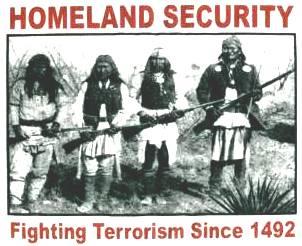
I have really liked this picture since I first saw it a few years ago. Since coming down here I have thought about it often and just thought it might be nice to share.
Don't Let's Go to the Dogs Tonight
Of the millions of tv commercials that I have seen in my lifetime few come to mind as easily as the Nike Soccer advertisement I saw several years back. The ad showed a young boy (from what was clearly a Latin American country) going to the store and buying a large piece of meat. He brought the meat home and rubbed it all over his soccer ball, proceeded to the alley behind his house, and practiced his soccer skills by running through the streets of town with dogs chasing at his heels.
After living in both Uganda and Mexico I can safely say that this advertisement is deeply, deeply, flawed. I'd use a stronger word for it but I like to think of this as a family site.
First things first, no human being in their right mind would choose to be chased by dogs in the third world. Why? That's a great question that deserves a closer look.
For starters, dogs in the third world are plentiful. Very plentiful. I personally attribute this problem as a failure of American leadership, particularly by the American media. The simple truth is that Bob Barker hasn't gotten The Price is Right syndicated in enough markets. Sure, everyone in the U.S. knows to spay and neuter those pets, but what about the poor schlub in Niger? Without spayed and neutered pets those dogs are free to roam around the city scoring with any dalmation or chow that happens to saunter by.
Which leads me to another great point. Dogs that have not been neutered tend to be more aggressive than dogs that have. Not only are there tons of dogs out there breeding and creating a whole bunch more dogs, they are all much more aggressive.
Finally, dogs tend tend to be a really great security system and an excellent deterrent against theft. Lots of people choose to keep their dogs behind fences so that they only attack people who venture inside the property line. A much more effective system is to let your dog, properly trained to hate strangers, roam around freely in the street outside your house and indiscriminately harass, attack, and bite anyone passing through.
Let's review the simple math here:
Living in the (semi-)third world + the presence of many (sometimes aggressive) street dogs + the presence of several highly aggressive guard dogs = a somewhat dangerous and scary daily bike commute.
Since coming to Aqua Prieta I have been chased by no fewer than 20 and no more than 40 dogs. I would guess that about 15 of those dogs have gotten close enough to bite me, but thankfully none of them have. I have begun carrying rocks with me in my left hand to "discourage" dogs who are chasing me from continuing to do so. Even with the rocks there have been a few dogs intrepid enough to keep up their pursuit. I keep praying that I won't end up with a rabies shot.
When I pass a dog in the street I am running a mental checklist in my mind to try and figure out whether or not it is going to chase me. The checklist looks something like this:
More likely to be chased:
The dog looks like it is well fed and has a home
The dog is sitting outside a particular building
The dog appears interested in what I am doing
The dog comes out in the street
Less likely to be chased:
The dog looks skinny
The dog appears afraid of me or avoids getting too near
The dog appears to be pregnant or to have just given birth
The dog is walking down the middle of the street
The dogs can be so bad that we have an established system for riding bikes in groups. When riding in a group it is polite to go last, as the last person is more likely to get hit by a car, and is also more likely to be chased by a dog that has been roused by the first riders. Mark's daughter Cindy tells me that if I want to be a "caballero," a gentlemen, I should always go last.
The thing that really bothers me about the dogs is that it makes my commute just a little bit less enjoyable, especially at night when I am all alone. In the ten blocks between Mark's house and my own it is not uncommon for me to see twenty or thirty dogs. I am always grateful when I arrive at my door unscathed.
After living in both Uganda and Mexico I can safely say that this advertisement is deeply, deeply, flawed. I'd use a stronger word for it but I like to think of this as a family site.
First things first, no human being in their right mind would choose to be chased by dogs in the third world. Why? That's a great question that deserves a closer look.
For starters, dogs in the third world are plentiful. Very plentiful. I personally attribute this problem as a failure of American leadership, particularly by the American media. The simple truth is that Bob Barker hasn't gotten The Price is Right syndicated in enough markets. Sure, everyone in the U.S. knows to spay and neuter those pets, but what about the poor schlub in Niger? Without spayed and neutered pets those dogs are free to roam around the city scoring with any dalmation or chow that happens to saunter by.
Which leads me to another great point. Dogs that have not been neutered tend to be more aggressive than dogs that have. Not only are there tons of dogs out there breeding and creating a whole bunch more dogs, they are all much more aggressive.
Finally, dogs tend tend to be a really great security system and an excellent deterrent against theft. Lots of people choose to keep their dogs behind fences so that they only attack people who venture inside the property line. A much more effective system is to let your dog, properly trained to hate strangers, roam around freely in the street outside your house and indiscriminately harass, attack, and bite anyone passing through.
Let's review the simple math here:
Living in the (semi-)third world + the presence of many (sometimes aggressive) street dogs + the presence of several highly aggressive guard dogs = a somewhat dangerous and scary daily bike commute.
Since coming to Aqua Prieta I have been chased by no fewer than 20 and no more than 40 dogs. I would guess that about 15 of those dogs have gotten close enough to bite me, but thankfully none of them have. I have begun carrying rocks with me in my left hand to "discourage" dogs who are chasing me from continuing to do so. Even with the rocks there have been a few dogs intrepid enough to keep up their pursuit. I keep praying that I won't end up with a rabies shot.
When I pass a dog in the street I am running a mental checklist in my mind to try and figure out whether or not it is going to chase me. The checklist looks something like this:
More likely to be chased:
The dog looks like it is well fed and has a home
The dog is sitting outside a particular building
The dog appears interested in what I am doing
The dog comes out in the street
Less likely to be chased:
The dog looks skinny
The dog appears afraid of me or avoids getting too near
The dog appears to be pregnant or to have just given birth
The dog is walking down the middle of the street
The dogs can be so bad that we have an established system for riding bikes in groups. When riding in a group it is polite to go last, as the last person is more likely to get hit by a car, and is also more likely to be chased by a dog that has been roused by the first riders. Mark's daughter Cindy tells me that if I want to be a "caballero," a gentlemen, I should always go last.
The thing that really bothers me about the dogs is that it makes my commute just a little bit less enjoyable, especially at night when I am all alone. In the ten blocks between Mark's house and my own it is not uncommon for me to see twenty or thirty dogs. I am always grateful when I arrive at my door unscathed.
Saturday, September 30, 2006
That's It, I'm Moving to Mexico. Wait...
Well, as predicted by yours truly, the Senate has passed the "immigration" bill authorizing a fence along 1/3 of the U.S./Mexican border and funding it to the tune of 1.2 billion dollars. Between this bill and the anti-terror bill this week has been a monumental failure of public policy by the United States Senate. I'm pretty disappointed. Here's what disappoints me even more: if the Democrats win control of this distinguished body in November then there is a good chance, at least in this regard, that it will be more of the same. The vote to authorize the fence was 80-19. Not much of a fight by anyone's standards.
Friday, September 29, 2006
I Am a Derek Webb Fanboy
The title of the post says it all.
Everything except for this: Derek Webb, former member of Caedmon's Call, and currently an amazing folk/country/indie/rock/whatever solo artist, is giving away his latest album. On the internet. Free. Yeah, free. I love him so much.

Click that link, go download this thing, and then buy his other stuff. You won't regret it.
Everything except for this: Derek Webb, former member of Caedmon's Call, and currently an amazing folk/country/indie/rock/whatever solo artist, is giving away his latest album. On the internet. Free. Yeah, free. I love him so much.
Click that link, go download this thing, and then buy his other stuff. You won't regret it.
Wednesday, September 27, 2006
I <3 Good Public Policy
Today the Senate is voting on a piece of legislation that has already passed the House of Representatives two times. This means, for those of you who weren't government majors and who slept through civics, that it is this vote and a signature by the President of the United States away from becoming law.
I wish I could inform you that what they are voting on is a comprehensive bill addressing immigration in the United States, but that would be a lie. What they are voting on is a proposal to spend several years and several billion dollars building a 700 mile extension on the fence that currently separates the U.S. from Mexico. If you want to see the specifics of the bill you can do so by heading to http://www3.capwiz.com/c-span/issues/bills/?billtype=H.R.&billnumb=6061&congress=109. By now I hope you've figured out that I think this is a bad idea. To get a sense of why let's start by taking a step back and looking at some history.
Prior to the early 1990's the U.S./Mexican border had almost always been a pretty fluid place. Workers, especially seasonal migrants who would work in agriculture, passed easily from one country to the next. No one considered a secure border to be either a possibility or a necessity. It was in El Paso, Texas that this started to change.
It used to be that the border patrol would deport people back to their country of origin when they were found to be in the country illegally. What happened in El Paso during the early 1990's was that they decided to shift their policy to something that they named Operation Gate Keeper. The premise of Operation Gate Keeper was simple. The border patrol in El Paso knew that it would be impossible for them to keep illegal immigrants out of the United States entirely, but they figured that it would be possible to do it in El Paso.
To accomplish this they set up what was basically a goal line defense in football. Agents would station themselves along the border facing Mexico, each vehicle being responsible for making sure that no one crossed between themselves and the next vehicle. Not surprisingly, this policy actually worked. People in El Paso were ecstatic that they no longer had immigrants running through their back yards at all hours of the day and night.
Not surprisingly, after Operation Gate Keeper was established in El Paso, and later in San Diego, it did not stem the tide of immigration, it simply diverted it to other places. One of those places was right here in Aqua Prieta/Douglas. The tragedy of Operation Gate Keeper in this place, and in many others, is that by cutting off the safer routes of travel through towns and ranches it pushes people further out into the wilderness where they try to cross in areas like deserts and rivers, often with lethal consequences. Making it harder to cross the border in one place doesn't stop people from crossing, it just makes it much more difficult to do so, and much more lethal.
And this is why a 700 mile extension won't work. 700 miles is nowhere close to the amount of fencing you would need to completely secure the border (something I don't believe is possible with any amount of fence, but more on that later). 700 miles is enough to stop people from crossing in habitated areas, and this is a big problem. The more remote the crossing place, the greater the risk of injury or death to the migrant.
In addition to this problem, this legislation further promotes a public policy that is both morally and practically bankrupt. Not only will it increase the number of dead immigrants, it will also fail to solve the immigration "crisis." It will not make America "safer," and it will not address the economic realities that bring people to this country. Instead it will waste several years, several billion dollars, and many lives.
I pray that tomorrow the Senate rejects this bill, and if they do not, that the President does not sign it. I fear that if it passes we will find ourselves a few years from now building yet another fence, desperately trying to keep people out.
I wish I could inform you that what they are voting on is a comprehensive bill addressing immigration in the United States, but that would be a lie. What they are voting on is a proposal to spend several years and several billion dollars building a 700 mile extension on the fence that currently separates the U.S. from Mexico. If you want to see the specifics of the bill you can do so by heading to http://www3.capwiz.com/c-span/issues/bills/?billtype=H.R.&billnumb=6061&congress=109. By now I hope you've figured out that I think this is a bad idea. To get a sense of why let's start by taking a step back and looking at some history.
Prior to the early 1990's the U.S./Mexican border had almost always been a pretty fluid place. Workers, especially seasonal migrants who would work in agriculture, passed easily from one country to the next. No one considered a secure border to be either a possibility or a necessity. It was in El Paso, Texas that this started to change.
It used to be that the border patrol would deport people back to their country of origin when they were found to be in the country illegally. What happened in El Paso during the early 1990's was that they decided to shift their policy to something that they named Operation Gate Keeper. The premise of Operation Gate Keeper was simple. The border patrol in El Paso knew that it would be impossible for them to keep illegal immigrants out of the United States entirely, but they figured that it would be possible to do it in El Paso.
To accomplish this they set up what was basically a goal line defense in football. Agents would station themselves along the border facing Mexico, each vehicle being responsible for making sure that no one crossed between themselves and the next vehicle. Not surprisingly, this policy actually worked. People in El Paso were ecstatic that they no longer had immigrants running through their back yards at all hours of the day and night.
Not surprisingly, after Operation Gate Keeper was established in El Paso, and later in San Diego, it did not stem the tide of immigration, it simply diverted it to other places. One of those places was right here in Aqua Prieta/Douglas. The tragedy of Operation Gate Keeper in this place, and in many others, is that by cutting off the safer routes of travel through towns and ranches it pushes people further out into the wilderness where they try to cross in areas like deserts and rivers, often with lethal consequences. Making it harder to cross the border in one place doesn't stop people from crossing, it just makes it much more difficult to do so, and much more lethal.
And this is why a 700 mile extension won't work. 700 miles is nowhere close to the amount of fencing you would need to completely secure the border (something I don't believe is possible with any amount of fence, but more on that later). 700 miles is enough to stop people from crossing in habitated areas, and this is a big problem. The more remote the crossing place, the greater the risk of injury or death to the migrant.
In addition to this problem, this legislation further promotes a public policy that is both morally and practically bankrupt. Not only will it increase the number of dead immigrants, it will also fail to solve the immigration "crisis." It will not make America "safer," and it will not address the economic realities that bring people to this country. Instead it will waste several years, several billion dollars, and many lives.
I pray that tomorrow the Senate rejects this bill, and if they do not, that the President does not sign it. I fear that if it passes we will find ourselves a few years from now building yet another fence, desperately trying to keep people out.
Friday, September 22, 2006
This Could Have Been A Chapter in My Thesis
Hey friends. I have been especially busy of late, something that I keep saying, and which continues to be true. I have so many things I want to write here and I am hoping that in the next few weeks I will have the time to do that.
Today I want to post this article http://www.salon.com/mwt/feature/2006/09/13/righteous/index.html for your reading pleasure. It is a fascinating look at young Christians in America through the lens of Mars Hill church in Seattle.
I was riveted, shocked, frightened, and inspired by what I read there. I hope you find it challenging as well.
Today I want to post this article http://www.salon.com/mwt/feature/2006/09/13/righteous/index.html for your reading pleasure. It is a fascinating look at young Christians in America through the lens of Mars Hill church in Seattle.
I was riveted, shocked, frightened, and inspired by what I read there. I hope you find it challenging as well.
Friday, September 15, 2006
All the Girls Pose the Same For Pictures, All the Boys Have the Same Girls' Hair
I have come to Agua Prieta so many times now that the trips just sort of blend together. I remember distinct people, events, construction projects, etc., but most of what I remember are just feelings and impressions. It is interesting to be back in this place after almost five years, to see what things have changed, and how that is impacting the community.
One of the things that has really descended on this place in a fundamentally new way is American culture. I can remember being younger and laughing at the things that the Mexican kids were obsessed with, like a deep love for Michael Jackson well into the mid-90's. That time has passed, and today Agua Prieta is steeped in the culture of Puma shoes, "emo" haircuts, and yes, even someguys wearing girls' jeans. The other night I went to a carnival that, for the most part, could have been in Los Angeles.
I have travelled a fair amount in my life, although still not as much as I would like, and I am hardly surprised by the presence of American culture here. If anything, it's shocking that it has taken this long for a place this close to the United States to be so transformed. However, there is something fundamentally unsettling about how close the appearance of all these kids are to those in the mall back home.
There is a great mystery to be solved underneath the slick exterior of fashion t-shirts and hipster jeans: Where is all this money coming from?
Agua Prieta has come a long way economically in the past few years, something that I will talk about later, but it is by no means a wealthy city. The average daily salary for someone working in a factory here is $5 plus bonuses. That's an awful lot of work to buy your kids new Converse All-Stars. I'm going to leave you to contemplate how these kids are paying to look so good, but I promise to return soon with more posts on Mexican Independence, the economics of migration, and the roaming street dogs that are the bane of my existence.
One of the things that has really descended on this place in a fundamentally new way is American culture. I can remember being younger and laughing at the things that the Mexican kids were obsessed with, like a deep love for Michael Jackson well into the mid-90's. That time has passed, and today Agua Prieta is steeped in the culture of Puma shoes, "emo" haircuts, and yes, even someguys wearing girls' jeans. The other night I went to a carnival that, for the most part, could have been in Los Angeles.
I have travelled a fair amount in my life, although still not as much as I would like, and I am hardly surprised by the presence of American culture here. If anything, it's shocking that it has taken this long for a place this close to the United States to be so transformed. However, there is something fundamentally unsettling about how close the appearance of all these kids are to those in the mall back home.
There is a great mystery to be solved underneath the slick exterior of fashion t-shirts and hipster jeans: Where is all this money coming from?
Agua Prieta has come a long way economically in the past few years, something that I will talk about later, but it is by no means a wealthy city. The average daily salary for someone working in a factory here is $5 plus bonuses. That's an awful lot of work to buy your kids new Converse All-Stars. I'm going to leave you to contemplate how these kids are paying to look so good, but I promise to return soon with more posts on Mexican Independence, the economics of migration, and the roaming street dogs that are the bane of my existence.
Tuesday, September 12, 2006
You're Going to Mexico? Why?
Hey folks.
Sorry about my absence. For those of you who checked and found nothing new, I have been incredibly busy the past few days and haven't had a chance to write down the few posts that have been stirring around in my brain. However, in the next few weeks you should expect posts on the economics of border crossing, global youth culture, and the ethics of work. Fun stuff.
For today I want to leave you with my recently completed job description. Many of the names and acronyms probably won't mean anything to you, but it will at least give you a better sense of what I spend my time on and a frame of reference for future posts. It's decently long, sorry about that.
Position Description
Aaron Boeke, Year-Long Intern
Revised August 2006
1. Work with US and Mexican Coordinators to organize and facilitate the Mission
Delegation Ministry, including assisting the Administrative Assistant with preparing invoices, list of meals and stays in the Community Center, and sending invoices, schedules, and list of meals and stays to the Mexican Coordinator, US Coordinator, etc.
-assisting the Administrative Assistant with making appointments for groups at the Community Center with the Community Center Administrator (currently Ramona)
-assisting the Administrative Assistant with preparing folders suitable to the groups interests, including maintaining the availability of items for folders on an ongoing basis
-serving as the liaison to the groups’ leaders during the planning process
-maintaining the spreadsheet of information for groups planning to visit
-making appointments for the Mission Education ministry visits, such as trips to the desert, visits to migrant centers and the Migrant Resource Center, visits to Just Coffee, visits to ranchers, CRREDA, etc.
-conducting some of the above visits
-leading group discussions and informing groups about the history, politics and economy of the Border
-directing group reflections on the groups’ border experiences
-Provide evaluations to with contact information to the Administrative Assistant so that she can add names to the database.
2. Participate regularly in the life of the First Presbyterian Church of Douglas, including preaching on occasion, assisting with Vacation Bible School, and other programs, projects and ministries as needed. Maintain working relationship with Pastor Carlos Montaño and members of the Session. Help Megan to plan and carry out youth group activities.
3. Participate regularly in the life of El Lirio de los Valles Church, including preaching on occasion, assisting with Vacation Bible School, and other programs, projects, and ministries as needed. Maintain working relationship with Pastor Rodolfo Navarrete, Hermana Lorena Ocampo, Rosendo Sichler (Pastor intern) and members of the Session. Work with the youth praise band in practicing new and existing songs and performing them in the church and community.
4. Maintain contact, working relationships, and exchange of information with various
organizations and individuals in Mexico, including:
-CRREDA #8 Agua Prieta (Raul Garcia)
-CRREDA #9 Naco (Raimundo Pineda)
-Café Justo (Daniel Cifuentes, Adrian Gonzalez, Vicki)
-Centro de Atención al Migrante Exodo (CAME) (Fr. Cayetano Cabrera, Fr. Ivan Bernal, Rosy Soto, Teresa Ballesteros
-Iglesia de la Sagrada Familia (Fr. Cayetano Cabrera, Rosy Soto)
-Casa de la Mujer Migrante (Juan Domínguez)
-Casa YMCA de Menores Migrantes (Ernesto Perraza)
-DIF (Juan Domínguez)
-Grupo Beta (Lic. Bertha de la Rosa)
-Migración Mexicana (Sr. Bustamante)
-Aduana Mexicana
-Consulado Mexicano (Bernardo Morales, Alex Martinez, Gabriel (¿)
-various others as hended
5. Maintain the Frontera listserve and use it to keep members updated about Frontera de Cristo initiatives including immigration reform and the Just Trade Development Center.
6. Serve on the Coordinating Committee of the Migrant Resource Center with the Mexican Coordinator and attend weekly meetings of the Coordinating Committee. Duties include:
-Working with others to produce any needed materials (we have copies of all current materials being used). Provide Volunteer Guides for new volunteers as needed for training meetings.
-Keeping copies of printed materials used in the Migrant Resource Center up to date and making sure there are adequate supplies of informational materials in the Center, including those provided by Grupo Beta, Citizens for Border Solutions, CAME, DIF, and the Consulado Mexicano in Douglas.
-Keeping a key to the Center and being available occasionally to open or close it.
-Recruiting and organizing US volunteers.
-Writing and distributing press releases
-Coordinating press conferences as needed.
-Volunteering regularly in the Center
-Assisting Tommy Bassett with conducting volunteer training meetings as needed for US (English speaking) volunteers.
-Assisting the No More Deaths representative with maintaining adequate supplies of water, food, socks, shoes, and personal items for distribution to migrants.
-Assisting the US Coordinator and No More Deaths representative with raising funds.
7. Assist the US and Mexican Coordinators with planning, preparing and doing workshops on “Immigration and the Churches Responses” and “Just Coffee and the Fair Trade Plus Model.”
8. Plan, write articles, and assist with the production of the Frontera de Cristo quarterly Newsletter.
9. Participate in Mission Education opportunities in other churches as invited, including preaching and forums on immigration reform issues.
10. Assist Tommy with the creation, implementation, and expansion of Just Trade Center Projects. Emphasis will be placed on learning the Just Trade model and how to replicate it in other areas.
11. Help to facilitate ESL classes in the Nuevo Progresso community center. Work with Hermano Angel on increasing his fluency in reading and listening comprehension.
Sorry about my absence. For those of you who checked and found nothing new, I have been incredibly busy the past few days and haven't had a chance to write down the few posts that have been stirring around in my brain. However, in the next few weeks you should expect posts on the economics of border crossing, global youth culture, and the ethics of work. Fun stuff.
For today I want to leave you with my recently completed job description. Many of the names and acronyms probably won't mean anything to you, but it will at least give you a better sense of what I spend my time on and a frame of reference for future posts. It's decently long, sorry about that.
Position Description
Aaron Boeke, Year-Long Intern
Revised August 2006
1. Work with US and Mexican Coordinators to organize and facilitate the Mission
Delegation Ministry, including assisting the Administrative Assistant with preparing invoices, list of meals and stays in the Community Center, and sending invoices, schedules, and list of meals and stays to the Mexican Coordinator, US Coordinator, etc.
-assisting the Administrative Assistant with making appointments for groups at the Community Center with the Community Center Administrator (currently Ramona)
-assisting the Administrative Assistant with preparing folders suitable to the groups interests, including maintaining the availability of items for folders on an ongoing basis
-serving as the liaison to the groups’ leaders during the planning process
-maintaining the spreadsheet of information for groups planning to visit
-making appointments for the Mission Education ministry visits, such as trips to the desert, visits to migrant centers and the Migrant Resource Center, visits to Just Coffee, visits to ranchers, CRREDA, etc.
-conducting some of the above visits
-leading group discussions and informing groups about the history, politics and economy of the Border
-directing group reflections on the groups’ border experiences
-Provide evaluations to with contact information to the Administrative Assistant so that she can add names to the database.
2. Participate regularly in the life of the First Presbyterian Church of Douglas, including preaching on occasion, assisting with Vacation Bible School, and other programs, projects and ministries as needed. Maintain working relationship with Pastor Carlos Montaño and members of the Session. Help Megan to plan and carry out youth group activities.
3. Participate regularly in the life of El Lirio de los Valles Church, including preaching on occasion, assisting with Vacation Bible School, and other programs, projects, and ministries as needed. Maintain working relationship with Pastor Rodolfo Navarrete, Hermana Lorena Ocampo, Rosendo Sichler (Pastor intern) and members of the Session. Work with the youth praise band in practicing new and existing songs and performing them in the church and community.
4. Maintain contact, working relationships, and exchange of information with various
organizations and individuals in Mexico, including:
-CRREDA #8 Agua Prieta (Raul Garcia)
-CRREDA #9 Naco (Raimundo Pineda)
-Café Justo (Daniel Cifuentes, Adrian Gonzalez, Vicki)
-Centro de Atención al Migrante Exodo (CAME) (Fr. Cayetano Cabrera, Fr. Ivan Bernal, Rosy Soto, Teresa Ballesteros
-Iglesia de la Sagrada Familia (Fr. Cayetano Cabrera, Rosy Soto)
-Casa de la Mujer Migrante (Juan Domínguez)
-Casa YMCA de Menores Migrantes (Ernesto Perraza)
-DIF (Juan Domínguez)
-Grupo Beta (Lic. Bertha de la Rosa)
-Migración Mexicana (Sr. Bustamante)
-Aduana Mexicana
-Consulado Mexicano (Bernardo Morales, Alex Martinez, Gabriel (¿)
-various others as hended
5. Maintain the Frontera listserve and use it to keep members updated about Frontera de Cristo initiatives including immigration reform and the Just Trade Development Center.
6. Serve on the Coordinating Committee of the Migrant Resource Center with the Mexican Coordinator and attend weekly meetings of the Coordinating Committee. Duties include:
-Working with others to produce any needed materials (we have copies of all current materials being used). Provide Volunteer Guides for new volunteers as needed for training meetings.
-Keeping copies of printed materials used in the Migrant Resource Center up to date and making sure there are adequate supplies of informational materials in the Center, including those provided by Grupo Beta, Citizens for Border Solutions, CAME, DIF, and the Consulado Mexicano in Douglas.
-Keeping a key to the Center and being available occasionally to open or close it.
-Recruiting and organizing US volunteers.
-Writing and distributing press releases
-Coordinating press conferences as needed.
-Volunteering regularly in the Center
-Assisting Tommy Bassett with conducting volunteer training meetings as needed for US (English speaking) volunteers.
-Assisting the No More Deaths representative with maintaining adequate supplies of water, food, socks, shoes, and personal items for distribution to migrants.
-Assisting the US Coordinator and No More Deaths representative with raising funds.
7. Assist the US and Mexican Coordinators with planning, preparing and doing workshops on “Immigration and the Churches Responses” and “Just Coffee and the Fair Trade Plus Model.”
8. Plan, write articles, and assist with the production of the Frontera de Cristo quarterly Newsletter.
9. Participate in Mission Education opportunities in other churches as invited, including preaching and forums on immigration reform issues.
10. Assist Tommy with the creation, implementation, and expansion of Just Trade Center Projects. Emphasis will be placed on learning the Just Trade model and how to replicate it in other areas.
11. Help to facilitate ESL classes in the Nuevo Progresso community center. Work with Hermano Angel on increasing his fluency in reading and listening comprehension.
Wednesday, September 06, 2006
Giants of the Faith
I was working on a post about my experiences at the beach this weekend, but life has changed the direction of my thoughts, and so my post will have to change as well. However, I will say that the beach was amazing and that I had a really great time. I was able to swim and body surf and generally enjoy the sun. It was amazing, with the exception of three minor incidents:
1. Friday night I flooded the engine of my friend´s van while trying to ford a river that had emerged on 38th Avenue. If you are reading this Beth, know that the absence of gutters or storm drains in this city has cemented my love for civil engineers. In addition to making me rather upset the lack of the van was especially problematic as I was supposed to drive that van to the beach and it was the only car we had.
2. Instead I ended up taking a 7 hour ride to the beach on the floor of a bus. If you are inclined for some reason to recreate this experience I reccomend finding one of those giant tool boxes that go in the back of a truck, placing yourself inside, and getting someone to roll you down a hill. Repeatedly.
3. On Saturday I found myself, quite unknowingly I assure you, on a date with a lovely young Mexican woman named Danielle. Emphasis on young. Like, 17 young. Not my fault, I promise, although it has been interesting to explain to people why I was creeped out and don´t ever want to repeat that experience.
Now onto the business at hand.
What I really wanted to write about here are the incredible people that that God has called to this seemingly insignificant town in the middle of the high desert. This morning we had staff prayer at the community center in Agua Prieta. Seated in the room were-
Mark, an ordained Presbyterian minister, co-coordiator of Frontera De Cristo, father of two, and good ol´Southern boy.
Tommy, former factory manager, coordinator of the Just Trade Center, motorcycle enthusiast, and a rather free-spirited Catholic.
Bob Carney, retired Catholic Priest, activist, and sage advisor.
Megan, my fellow intern, brilliant artist, and recent Harvard graduate.
Liz, Frontera De Cristo´s secretary, focused taskmaster, and caretaker of the rest of us.
Rick Ufford Chase, outgoing moderator of the Presbyterian Church U.S.A. (yeah, he´s kind of a big deal), father, and current coordinator of the Presbyterian Peace Initiative.
Sitting in that room, singing, studying scripture, praying for one another and for a broken and beautiful world, I was struck by these people, these giants of the faith, who have heard a voice in the wilderness and responded with their lives.
I know many people I would call prophets, saints, angels, teachers, on and on. It´s a blessing of God in my life to be a part of this place with these people, and to carry with me all that I have received from those giants of the faith I have met along the way.
1. Friday night I flooded the engine of my friend´s van while trying to ford a river that had emerged on 38th Avenue. If you are reading this Beth, know that the absence of gutters or storm drains in this city has cemented my love for civil engineers. In addition to making me rather upset the lack of the van was especially problematic as I was supposed to drive that van to the beach and it was the only car we had.
2. Instead I ended up taking a 7 hour ride to the beach on the floor of a bus. If you are inclined for some reason to recreate this experience I reccomend finding one of those giant tool boxes that go in the back of a truck, placing yourself inside, and getting someone to roll you down a hill. Repeatedly.
3. On Saturday I found myself, quite unknowingly I assure you, on a date with a lovely young Mexican woman named Danielle. Emphasis on young. Like, 17 young. Not my fault, I promise, although it has been interesting to explain to people why I was creeped out and don´t ever want to repeat that experience.
Now onto the business at hand.
What I really wanted to write about here are the incredible people that that God has called to this seemingly insignificant town in the middle of the high desert. This morning we had staff prayer at the community center in Agua Prieta. Seated in the room were-
Mark, an ordained Presbyterian minister, co-coordiator of Frontera De Cristo, father of two, and good ol´Southern boy.
Tommy, former factory manager, coordinator of the Just Trade Center, motorcycle enthusiast, and a rather free-spirited Catholic.
Bob Carney, retired Catholic Priest, activist, and sage advisor.
Megan, my fellow intern, brilliant artist, and recent Harvard graduate.
Liz, Frontera De Cristo´s secretary, focused taskmaster, and caretaker of the rest of us.
Rick Ufford Chase, outgoing moderator of the Presbyterian Church U.S.A. (yeah, he´s kind of a big deal), father, and current coordinator of the Presbyterian Peace Initiative.
Sitting in that room, singing, studying scripture, praying for one another and for a broken and beautiful world, I was struck by these people, these giants of the faith, who have heard a voice in the wilderness and responded with their lives.
I know many people I would call prophets, saints, angels, teachers, on and on. It´s a blessing of God in my life to be a part of this place with these people, and to carry with me all that I have received from those giants of the faith I have met along the way.
Friday, September 01, 2006
La Migra, La Migra!
It's a strange experience to live at the crossroads of two very different sets of cultures, governments, and languages. Whether Mexican, American, or something in between (actually, it's mostly in between) there are a few common experiences in the lives of everyone who calls this place home.
The first one is language. My friend Tommy says that everyone down here is learning at least one language. No matter how well you speak Spanish, you are trying to learn new words, and el otro tambien. Everyone speaks in some form of Spanglish that makes the whole place work on some semi-functional level.
Some of my favorite Spanglish phrases so far are:
Da me un ride (Give me a ride)
Pushame (Push me)
Parkear (The verb "to park")
The biggest constant for absolutely everyone is the border. Granted, the border operates in different ways if you are a white American vs. a poor Mexican vs. a Mexican-American vs. a Guatemalan, etc., etc. No matter who you are, however, the border influences how you live and changes the way you think.
Around here I commute by bike, which is no small task since about half the roads are like 4-wheeling trails, I live about 70 city blocks from my office, and no one really cares whether they run me over or not.
The other day I was on my bike visiting someone on the edge of Douglas when it occurred to me that I was only 20 city blocks away from my house. Well, 20 blocks and a big ass fence. Instead I rode the 100 or so blocks around through the port of entry so I could go home.
Traveling across the border is undoubtedly the biggest issue. When I cross into the U.S. they ask me my citizenship, which sometimes they accept as American without my ID, and sometimes not. When they ask me where I live, I tell them that I live in Aqua Prieta and have an office in Douglas. They don't really care that I live in Mexico illegally so long as I don't try to smuggle anything back in. That seems sort of odd to me really, but that's how it is.
When I cross into Mexico I tell them that I am visiting friends, even if it is my third day in a row seeing the same agent, even if it is 2 am and I am falling asleep. If I am taking something into Mexico, like furniture, or a plunger, or food (my three major trips so far) I tell them that it is a donation for the church. The basic rule with the Mexican agents is to never tell the truth ever no matter how innocuous it seems. Most of the time I just ride in and no one asks me anything at all.
I tell you this in part to help you understand some of what my life is like every day, and in part to try and explain the way the border changes you. If you want to live on the border you have to learn how to lie. Sometimes that means small lies to save time, like telling them that you are bringing ABSOLUTELY nothing across the border with you. Other times the lies are much larger, like pretending that you aren't illegally living in their country. And that's how the border operates for pretty much everyone. We tell the agents lies and they pretend to believe us. There's something about the truth that would make the whole thing cease functioning, which to me is highly indicative of a broken system.
I don't mind the lies on a daily basis, I suppose, but what is already starting to wear on me is the way in which your entire life becomes something which only sort of resembles the truth. When they ask you what you are bringing into the United States from Mexico I always tell them nothing, but the truth is that I am importing culture, I am importing language, I am importing a way of life that seeks to diminish the 20 foot fence that they have put up. That may seem like a silly or trivial thing, but for the thousands of people who cross daily it is vastly more important than whether or not they are also carrying milk.
The first one is language. My friend Tommy says that everyone down here is learning at least one language. No matter how well you speak Spanish, you are trying to learn new words, and el otro tambien. Everyone speaks in some form of Spanglish that makes the whole place work on some semi-functional level.
Some of my favorite Spanglish phrases so far are:
Da me un ride (Give me a ride)
Pushame (Push me)
Parkear (The verb "to park")
The biggest constant for absolutely everyone is the border. Granted, the border operates in different ways if you are a white American vs. a poor Mexican vs. a Mexican-American vs. a Guatemalan, etc., etc. No matter who you are, however, the border influences how you live and changes the way you think.
Around here I commute by bike, which is no small task since about half the roads are like 4-wheeling trails, I live about 70 city blocks from my office, and no one really cares whether they run me over or not.
The other day I was on my bike visiting someone on the edge of Douglas when it occurred to me that I was only 20 city blocks away from my house. Well, 20 blocks and a big ass fence. Instead I rode the 100 or so blocks around through the port of entry so I could go home.
Traveling across the border is undoubtedly the biggest issue. When I cross into the U.S. they ask me my citizenship, which sometimes they accept as American without my ID, and sometimes not. When they ask me where I live, I tell them that I live in Aqua Prieta and have an office in Douglas. They don't really care that I live in Mexico illegally so long as I don't try to smuggle anything back in. That seems sort of odd to me really, but that's how it is.
When I cross into Mexico I tell them that I am visiting friends, even if it is my third day in a row seeing the same agent, even if it is 2 am and I am falling asleep. If I am taking something into Mexico, like furniture, or a plunger, or food (my three major trips so far) I tell them that it is a donation for the church. The basic rule with the Mexican agents is to never tell the truth ever no matter how innocuous it seems. Most of the time I just ride in and no one asks me anything at all.
I tell you this in part to help you understand some of what my life is like every day, and in part to try and explain the way the border changes you. If you want to live on the border you have to learn how to lie. Sometimes that means small lies to save time, like telling them that you are bringing ABSOLUTELY nothing across the border with you. Other times the lies are much larger, like pretending that you aren't illegally living in their country. And that's how the border operates for pretty much everyone. We tell the agents lies and they pretend to believe us. There's something about the truth that would make the whole thing cease functioning, which to me is highly indicative of a broken system.
I don't mind the lies on a daily basis, I suppose, but what is already starting to wear on me is the way in which your entire life becomes something which only sort of resembles the truth. When they ask you what you are bringing into the United States from Mexico I always tell them nothing, but the truth is that I am importing culture, I am importing language, I am importing a way of life that seeks to diminish the 20 foot fence that they have put up. That may seem like a silly or trivial thing, but for the thousands of people who cross daily it is vastly more important than whether or not they are also carrying milk.
Subscribe to:
Posts (Atom)
